Skit 4 -- Abandonment in 550 AD and thereafter
Hungry and irritated, I went to [Xalla] with some other rowdy people. The residents had fled somewhere, and there was no one. I started destroying things with clubs. I went around smashing building block dolls, statues that were said to be gods, and pottery. Someone was shouting, "take the mica!" Curtains and other fabrics were being burned, and smoke was rising everywhere. Smoke was also rising from various parts of the city.
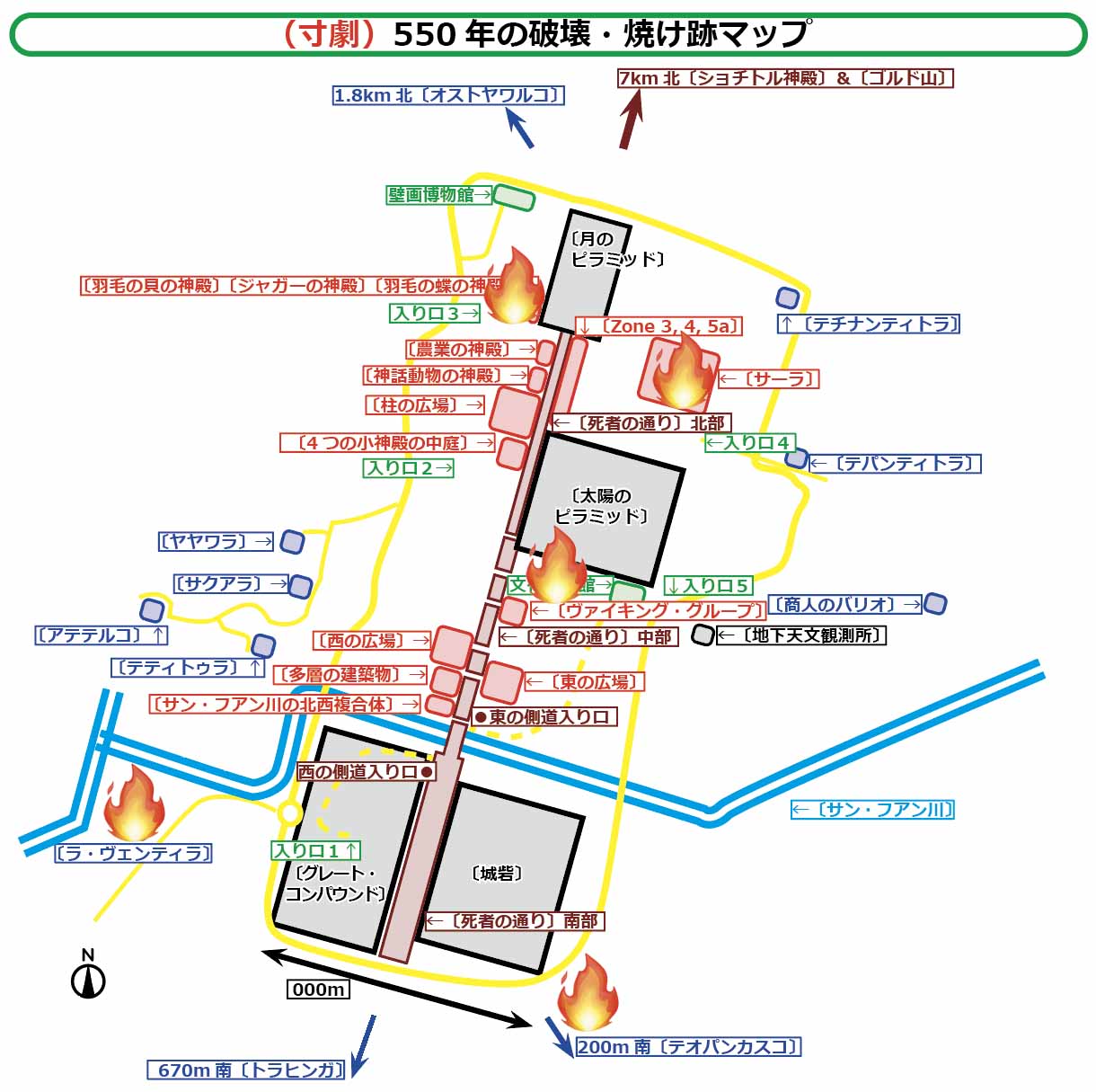
1. The Priest's House south of the Pyramid of the Sun was attacked, and the legs of a statue were broken.
2. Xalla was attacked on a large scale and burned.
3. The center of Teopancasco was burned.
4. At La Ventilla, each building had multiple entrances, but only one was left open; the others were sealed off, and the passages between the buildings were sealed, restricting entry to one direction only.
5. The Temple of the temple of Quetzalpapalotl was destroyed.
However, no scorch marks were found during the sightseeing walk.
Destroying it would only tire me out. I was daydreaming in the Craftsmen's Enclosure of Cuidadela. Then I remembered someone saying that a new city was being built three days' walk south. Maybe I could put my skills in making theater-style incense burners to good use. If I could find work and earn a living, I thought, then I got up.
●●●
Did Teotihuacan become deserted after 550 AD? It seems not. For example, remains of small dwellings have been reported in the north gallery of the Pyramid of the Sun, in a cave a little to the east, and in La Ventilla. Small-scale rain-fed agriculture likely supported a small population. The city's functions, which boasted a population of 120,000, were never regenerated.
Around 1300 AD, the Mexica Empire heard about the presence of many large buildings. They visited and named it "Teotihuacan" (City of the Birth of the Gods). The Mexica people collected stone masks that were half buried in the ground and brought them back to their capital, Tenochtitlan. They then inlaid them with shells, decorated them, and stored them in a treasury. They also built smaller temples on either side of their central temple, closely resembling the talud-tablero architectural style.
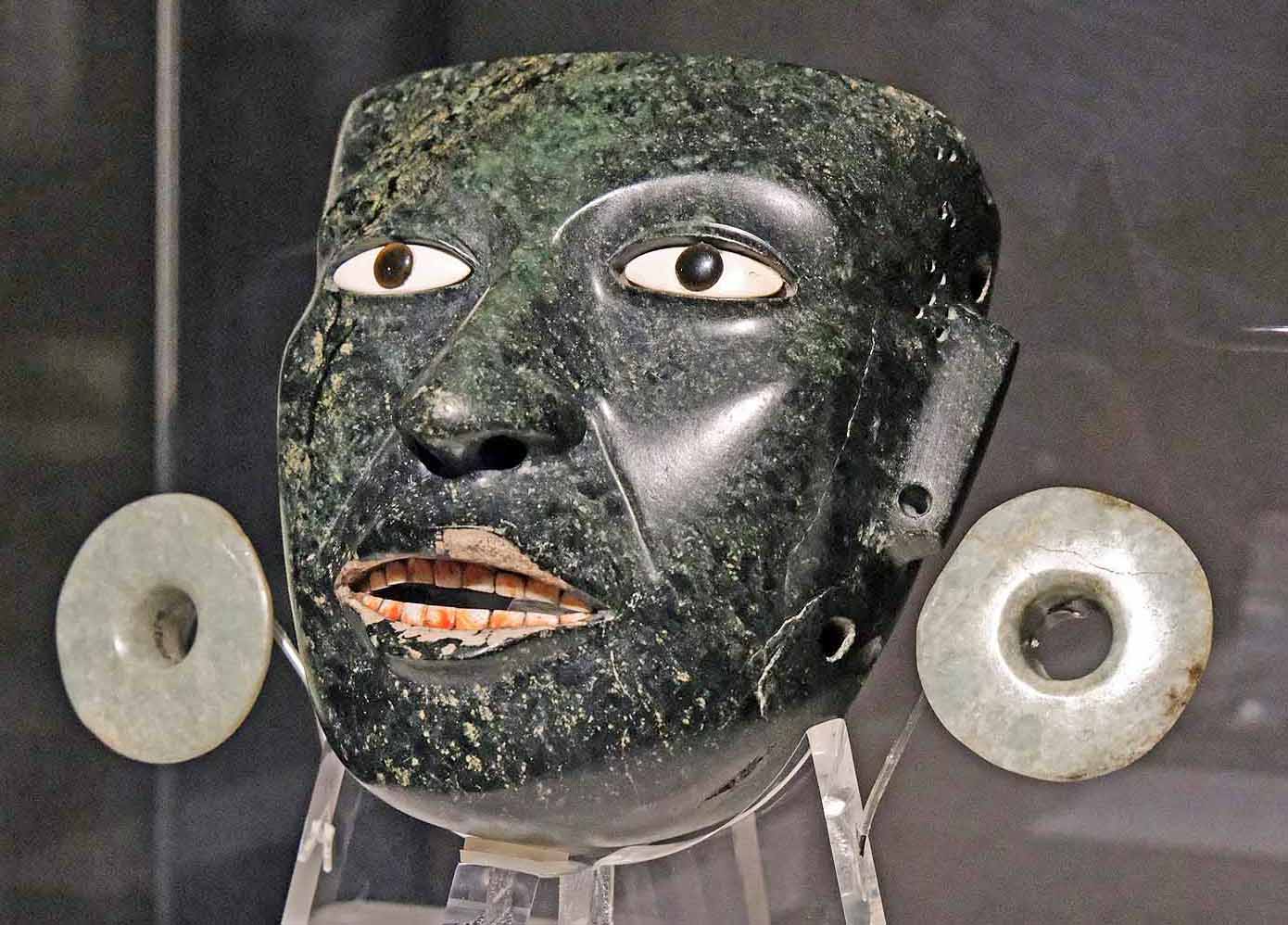
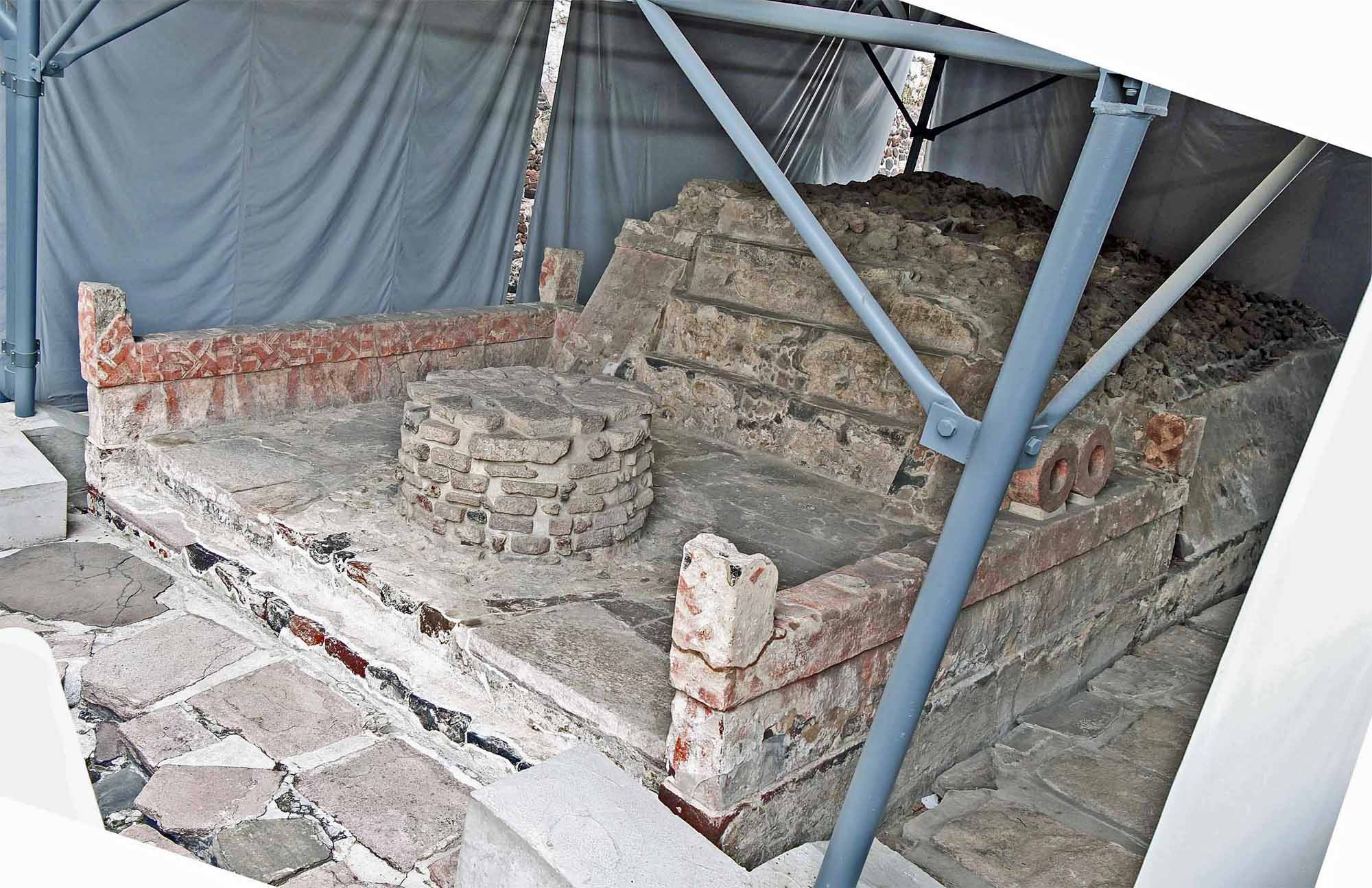
↑Ancient Mexico Exhibition (Tokyo). ↑The Red Temple of Tenochtitlan.
In modern times, it is the collection of relics and the reconstruction of buildings. A nifty archaeologist wrote that the first excavators were Mexica people.