Tlapacoya
Cultural traces are ancient, with a female statue dated to 2300 BC and recognized by the Anthropological Museum. It is 5cm high and was excavated at a nearby residential site.
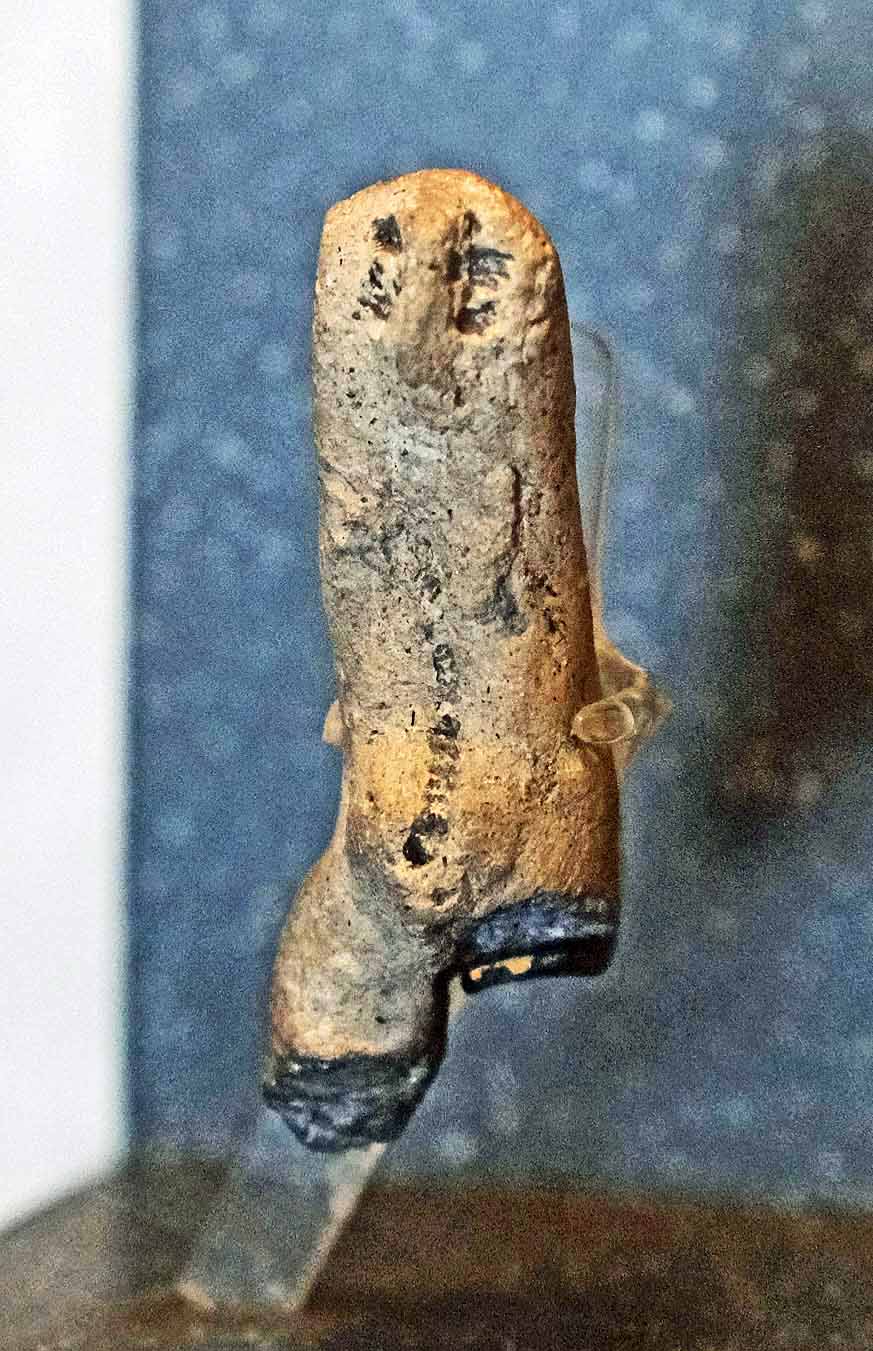
↑at Museum of Anthropology.
Agriculture began in 2000 BC. Construction of the temple began in 400 BC and ended with eight platforms.
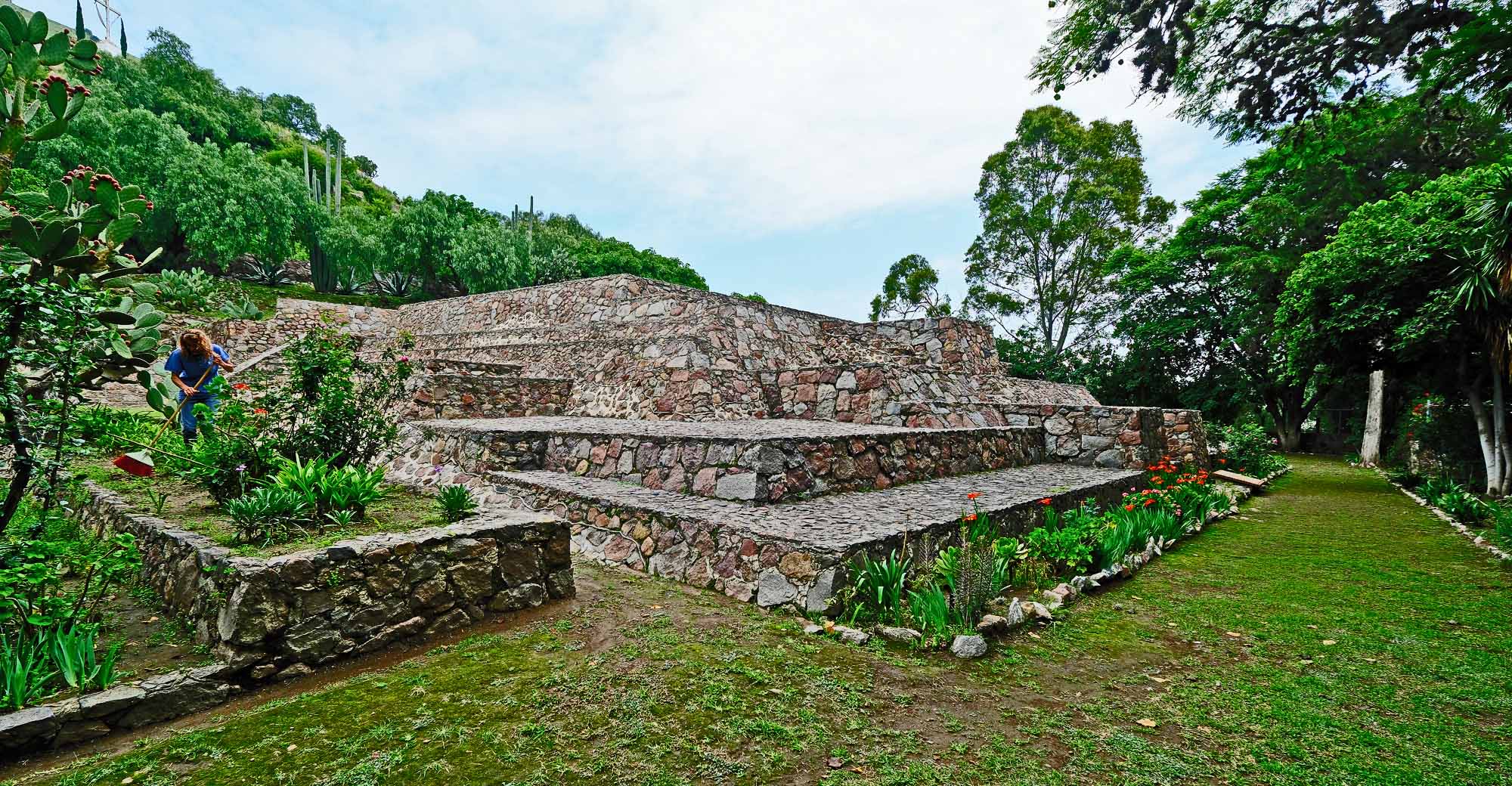
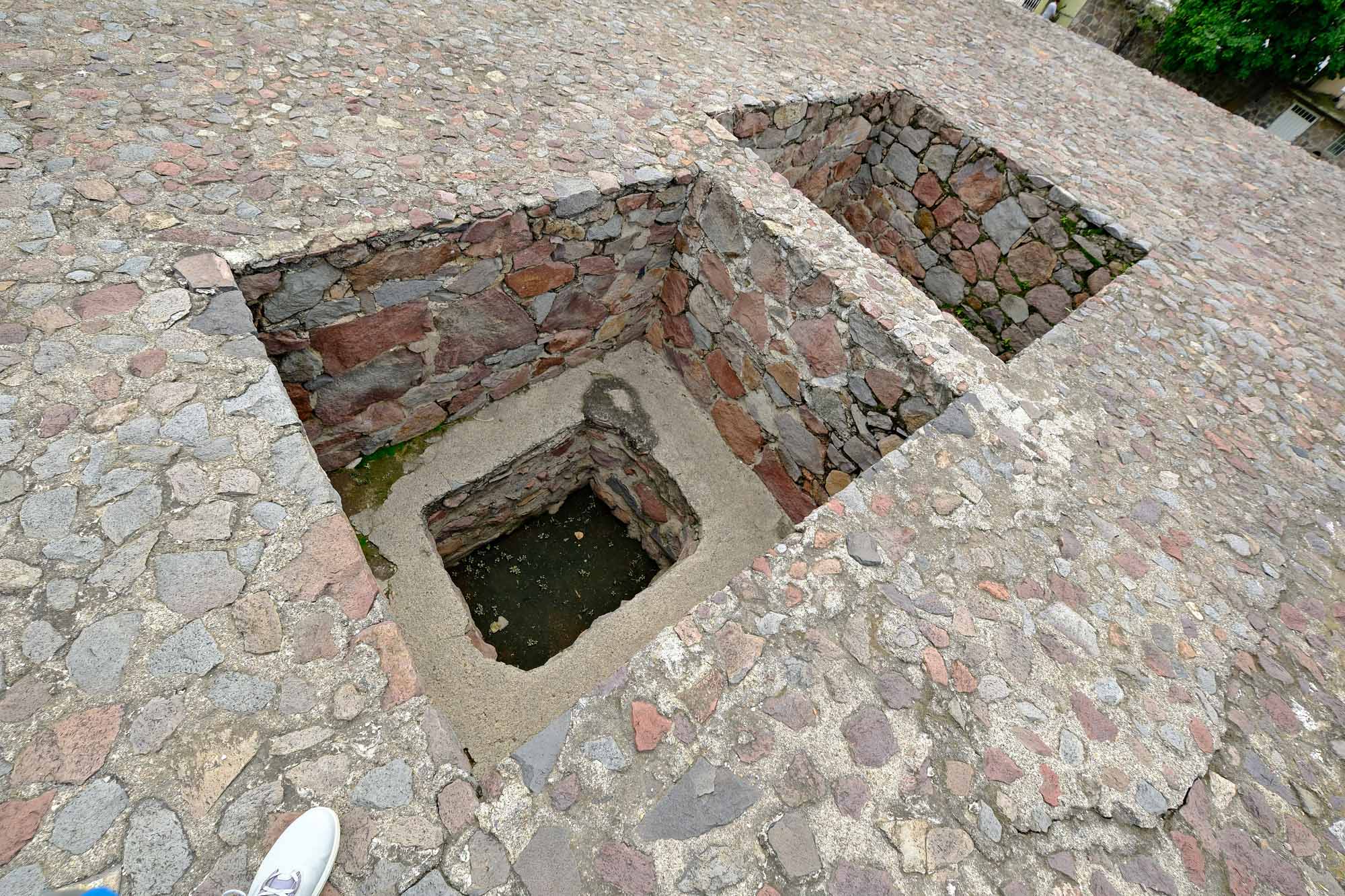
There are two square tomb chambers at the top. There must have been a wooden temple covering it.
。The period is unknown, but the following relics have been found. Painted earthenware, [Old God of Fire], early type [Tlaloc].
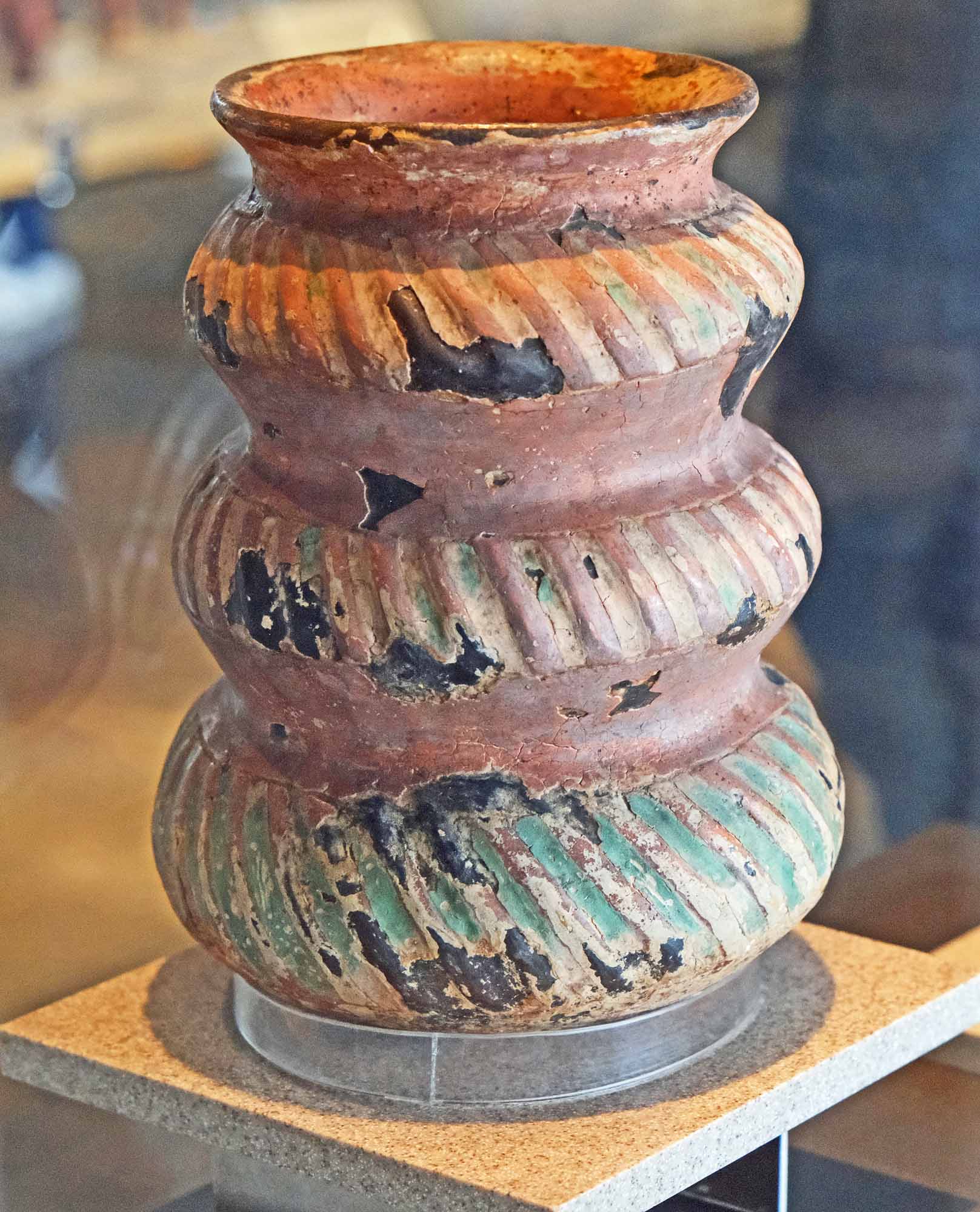
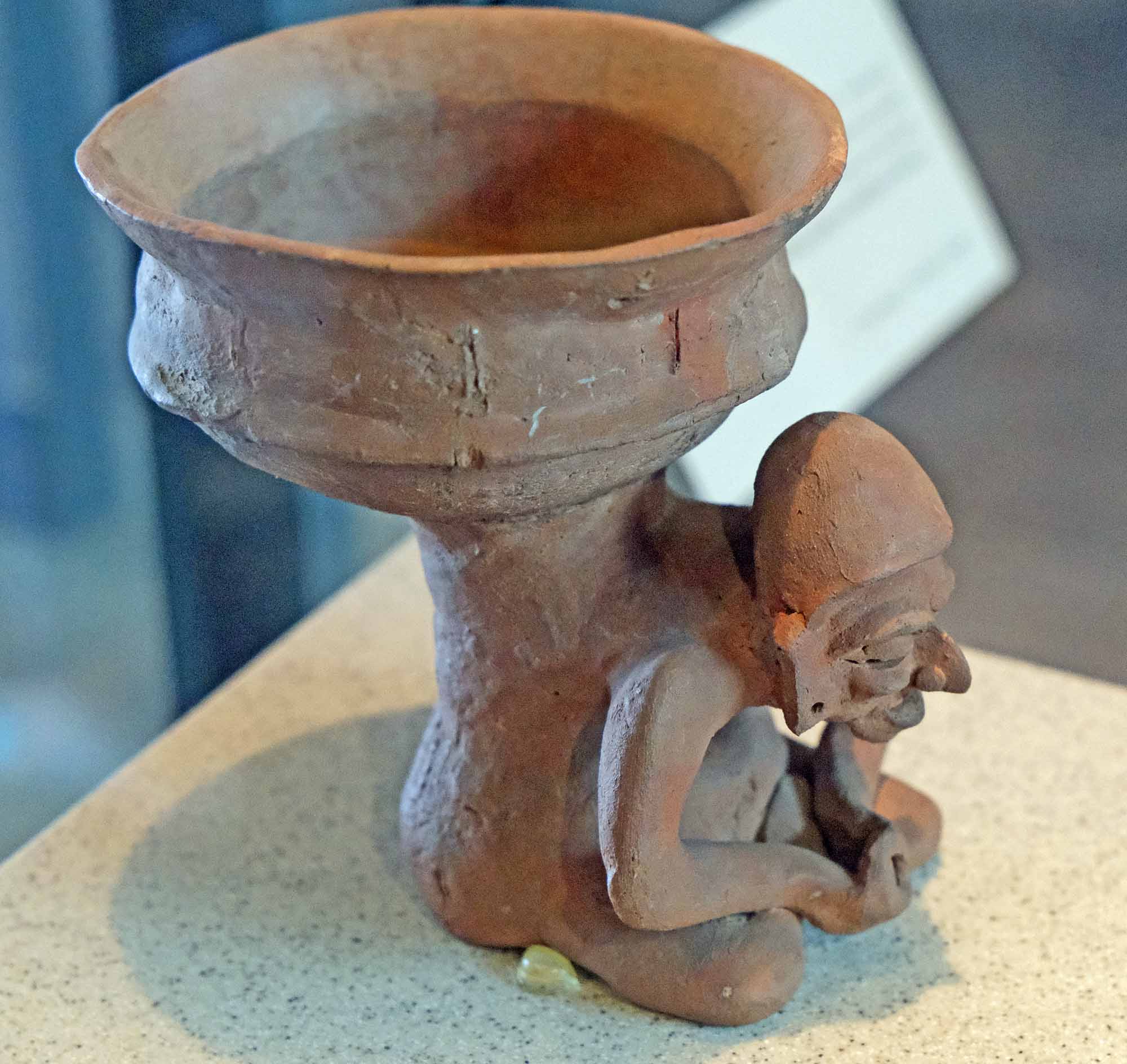
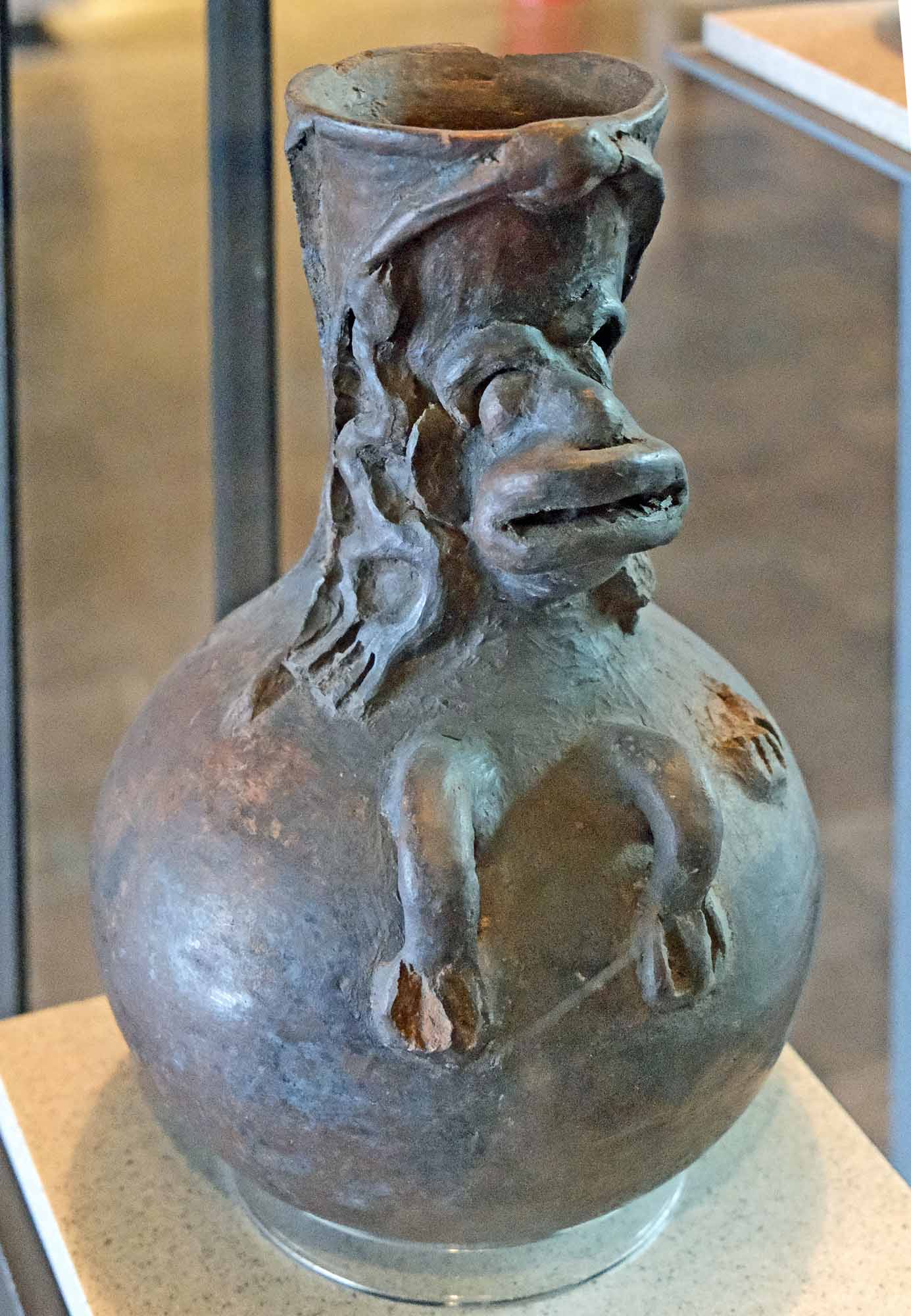
↑↑↑at Museum of Anthropology.
A cup with a jaguar design. The one on the right is said to be a "baby of a jaguar and a human woman," and both are Olmec-like.
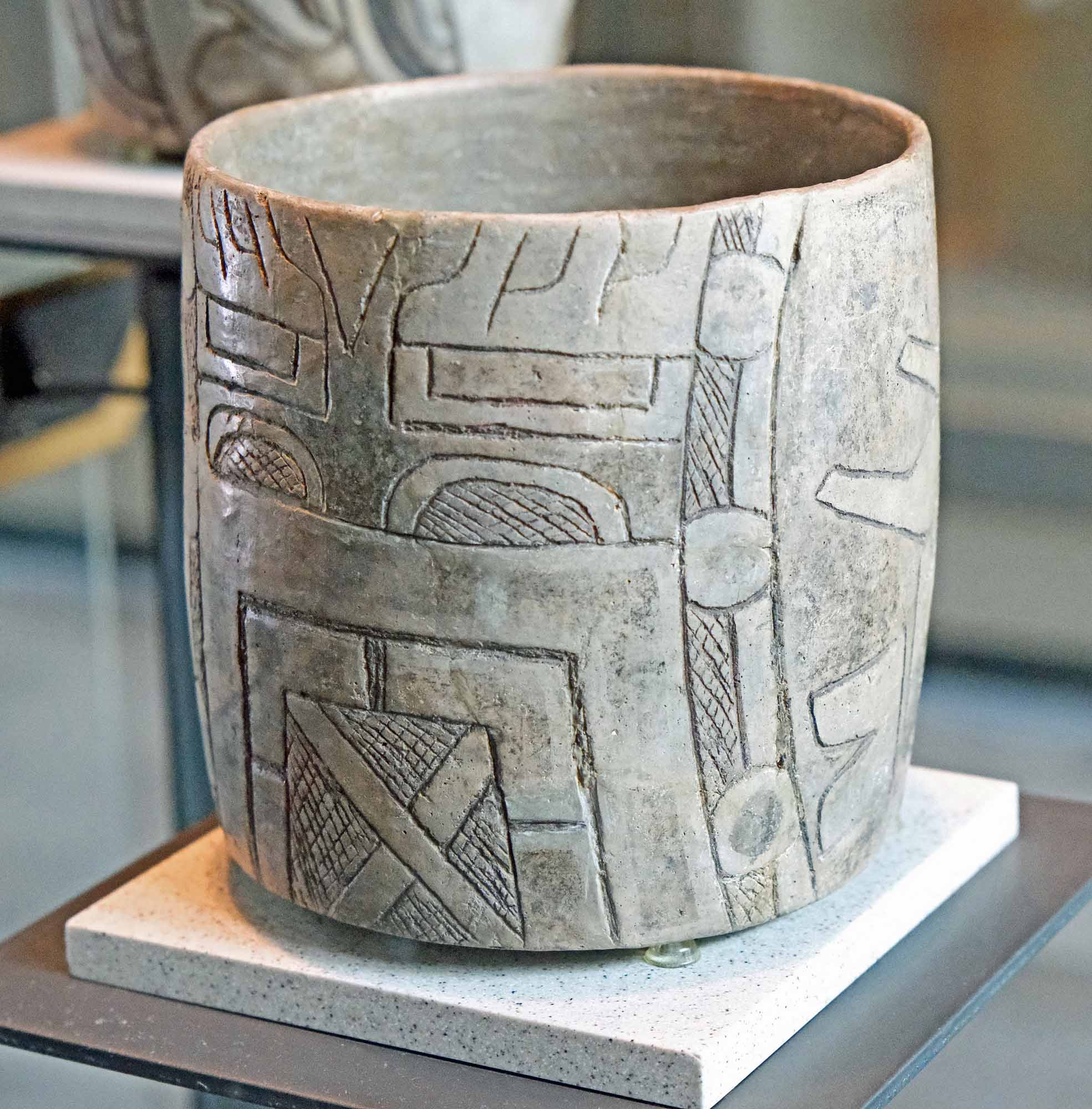
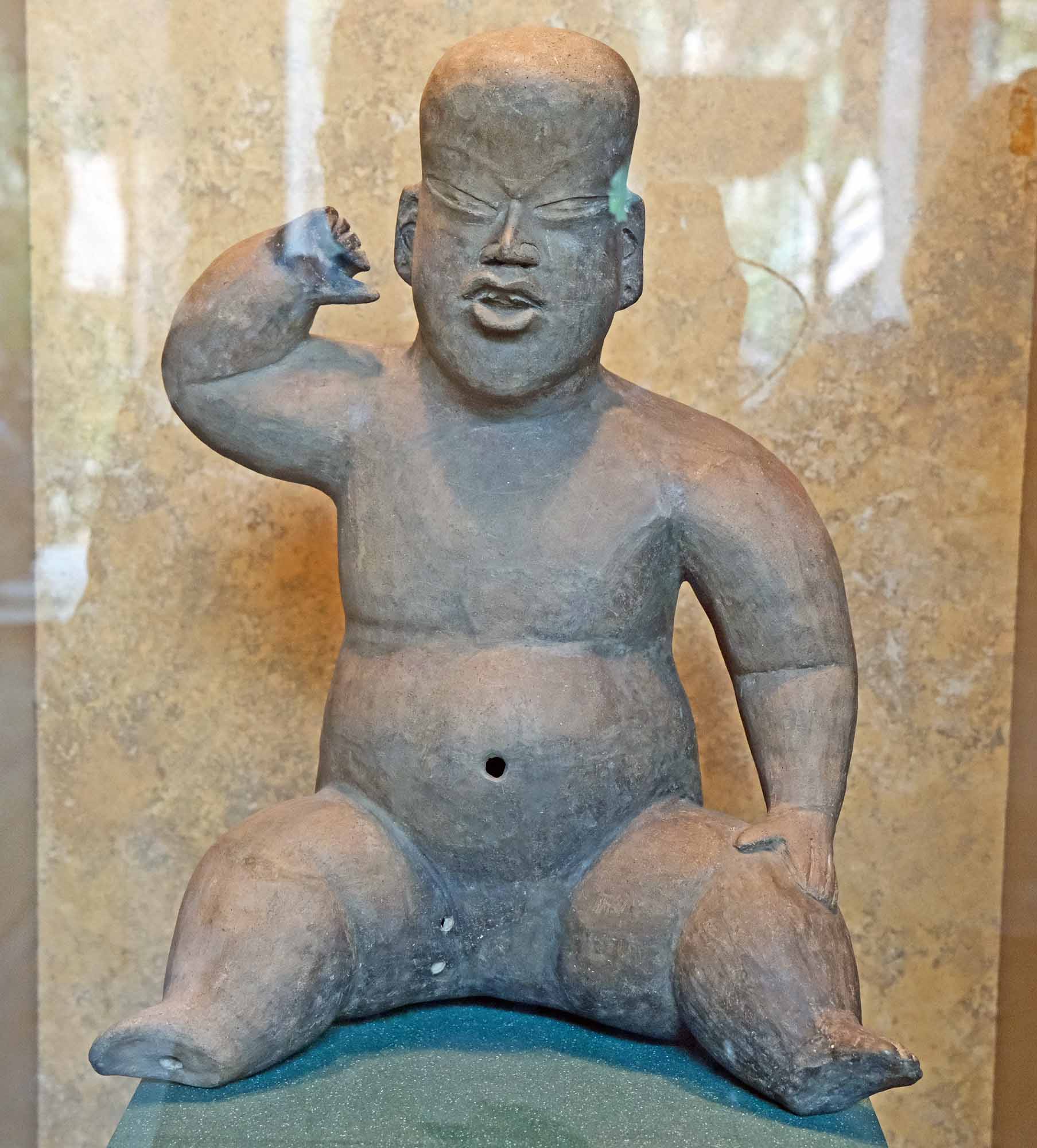
↑↑at Museum of Anthropology.
In 100 BC, the population decreased and it became a rural village. It is said that the reduced population headed towards Teotihuacan.
Meanwhile, take a look at Teotihuacan Valley, located northwest of Lake Texcoco. The estimated total population in 100 BC was just under 2,000 people. With little rainfall and rivers being narrow, agriculture relies solely on spring water. It is not adjacent to a lake shore where fishing is possible. Teotihuacan was lagging behind. It seemed like they would eventually find themselves in the position of having to donate their meager corn to some nation.
However, in 100 AD, the city's population reached 80,000 people, and the urbanization movement shown in the photo at the beginning began. Natural population growth alone cannot explain this. Something seems to have happened in those 200 years.