Cuicuilco Part 1
It is said to be the first large settlement in the central plateau of Mexico. Settlement began in 800 BC, and between 200 BC and 250 AD, 20,000 people lived there.
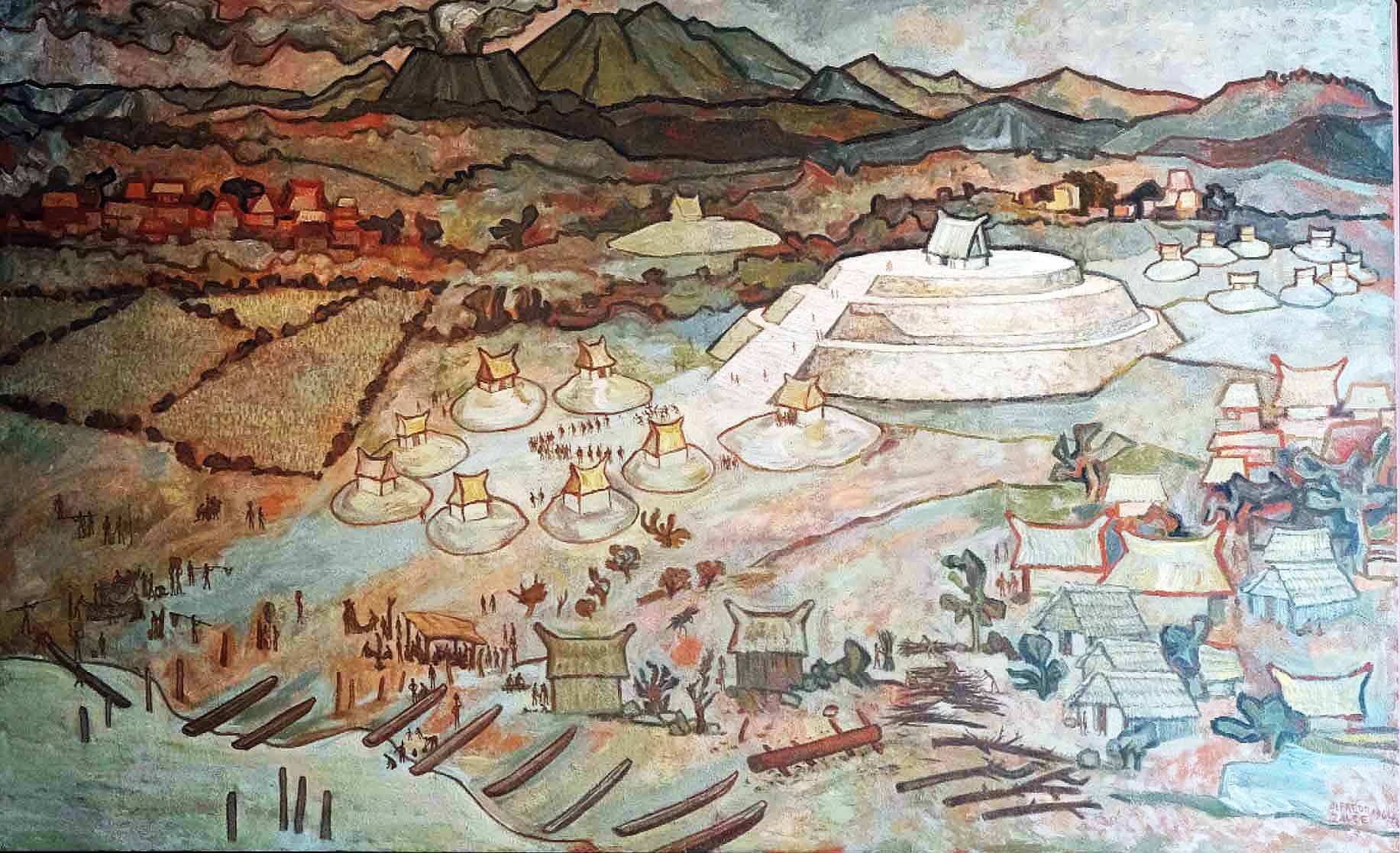
↑at Museum of Anthropology.
In the reconstruction, there is a circular pyramid with an altar in the center. The area is surrounded by houses with circular foundations, and seems to have been used for agriculture, fishing, and non-trade pottery manufacturing. It seems that these constituted one community, and that multiple combinations of these were connected over a wide area.
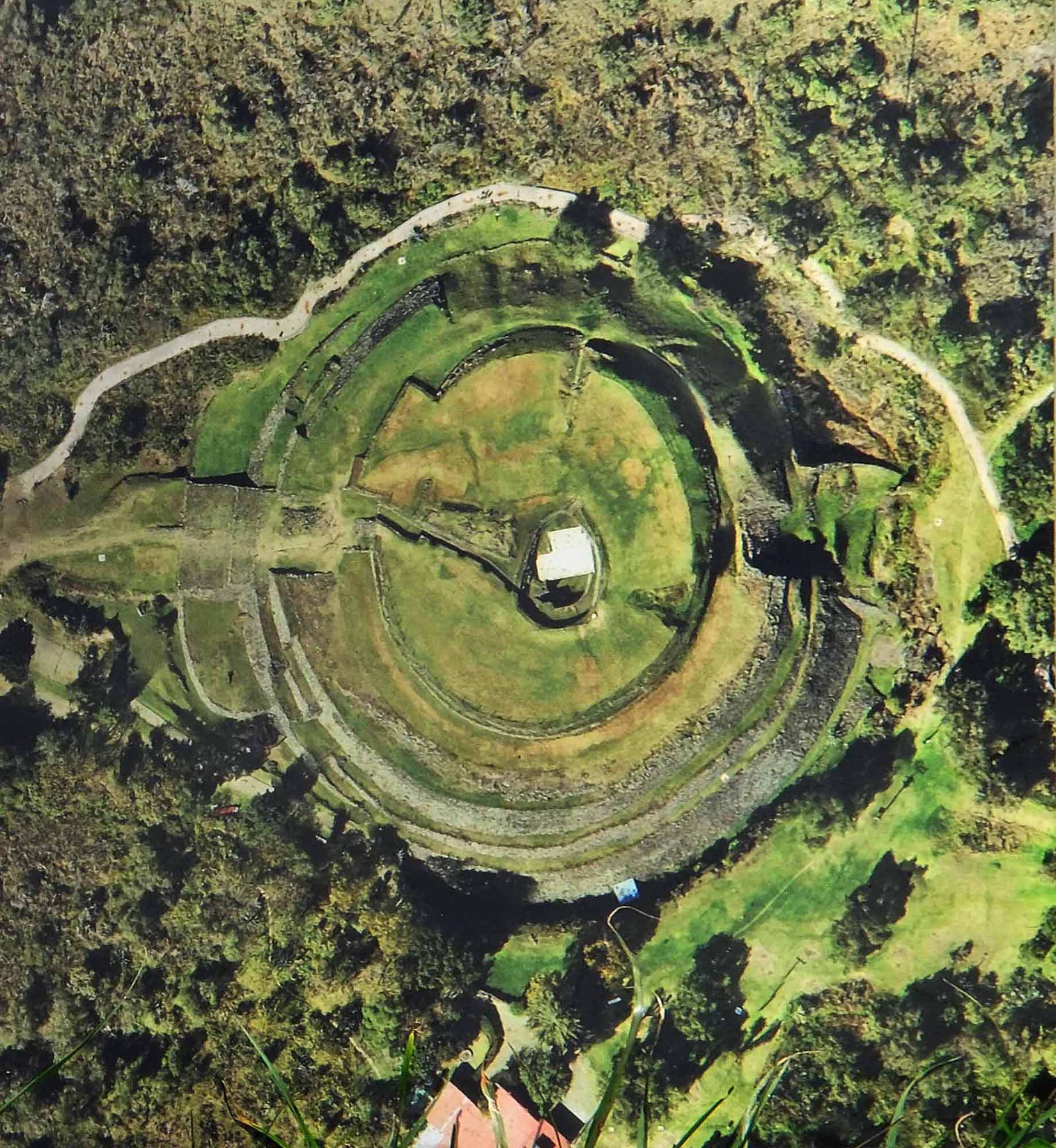
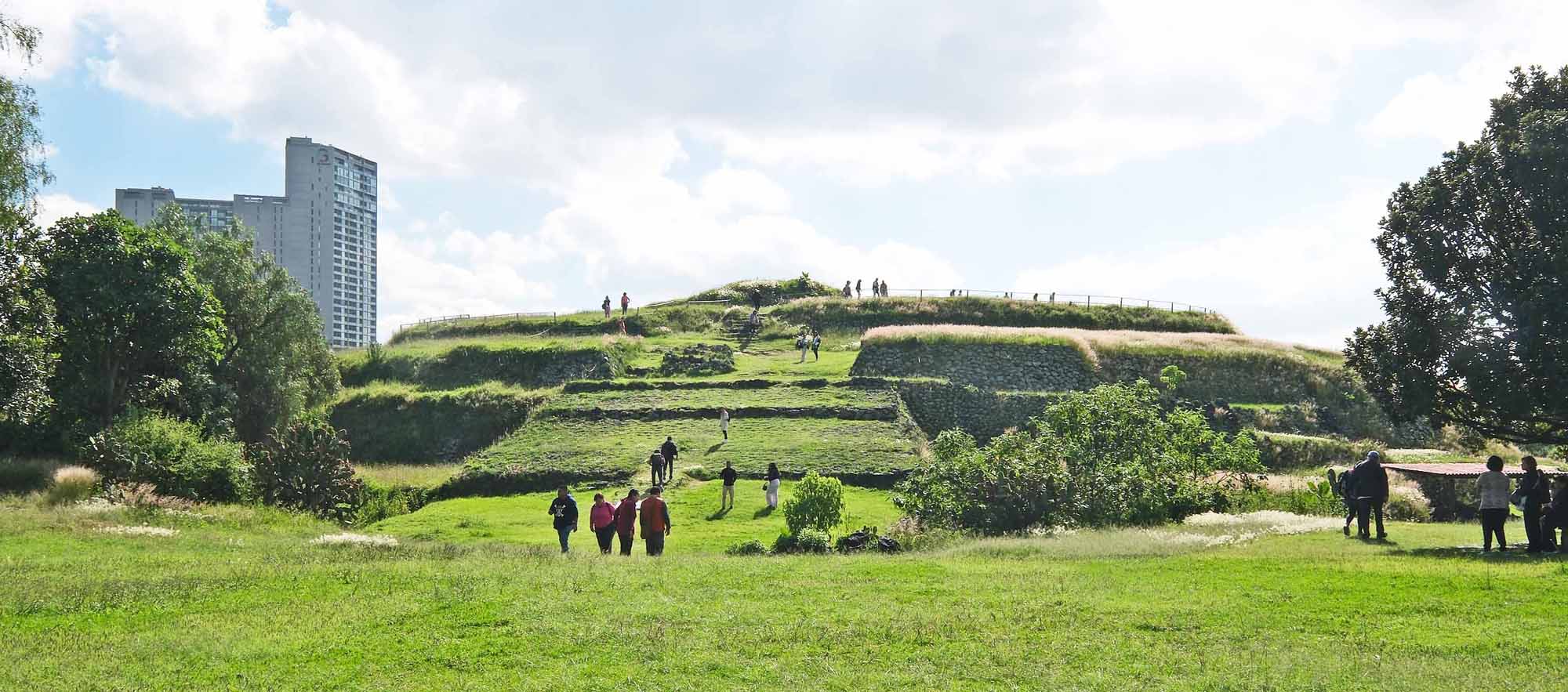
The circular pyramid was expanded three times, and now has a height of 26m and a diameter of 110m. The surrounding area is a donut-shaped square. Since there was no outer wall, access restrictions would have been low.
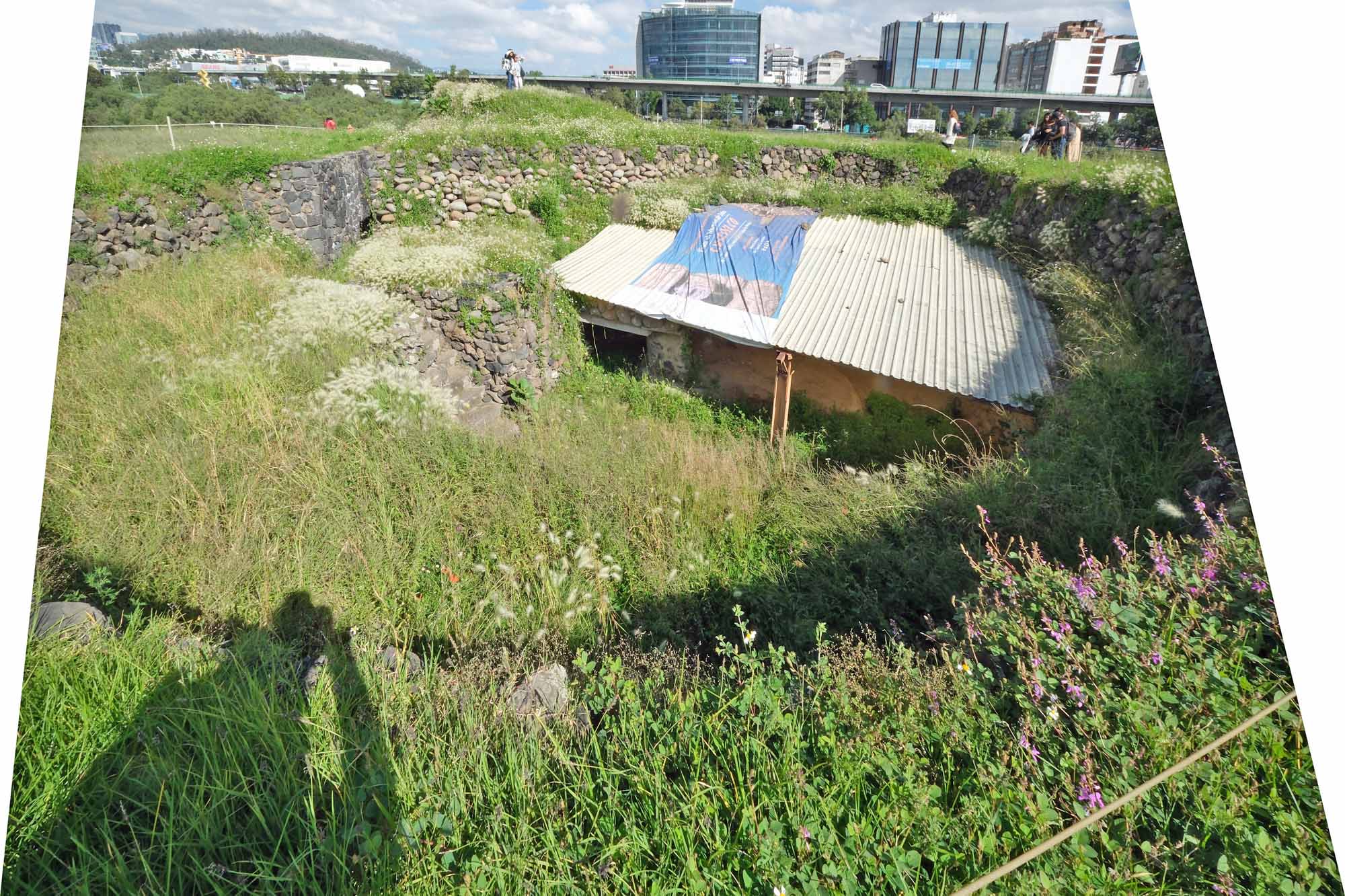
The details of the altar cannot be seen, but since it is recessed in the top pedestal, it is possible that the design allowed sunlight to overlap somewhere around the edge of the hole and the details of the altar structure, thereby confirming the seasons.
A 4m long bar-shaped stone was also found.

↑at Cuicuilco Museum.
There are a wide variety of patterns and ideogram-like markings engraved everywhere, making it easy to see the angle of the sun. The excavation point was at the south foot of the circular pyramid, but this does not necessarily mean that it was used there.
If we look at the year 250 AD, Teotihuacan, located 50 km northeast of Lake Texcoco, had a population of over 80,000 people and would have wanted a place to provide food for city dwellers, but no archaeological evidence has been found that the two cities had any kind of conflict. Were they living separately?